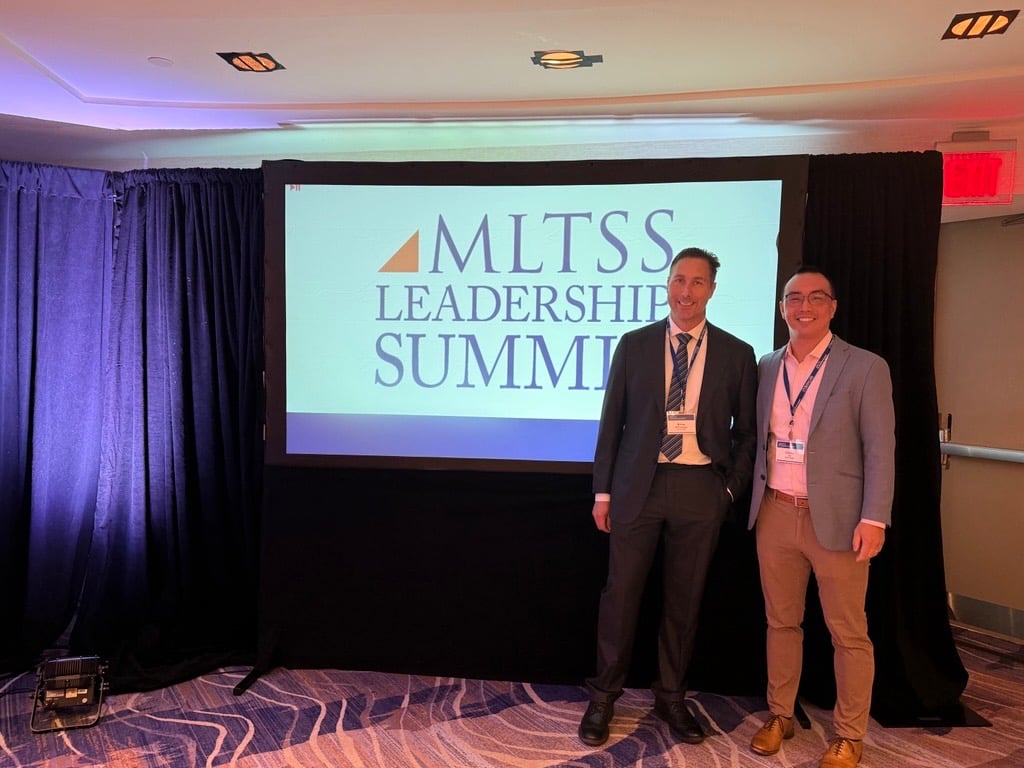
As HCBS programs navigate growing financial pressures, evolving federal requirements, and increased expectations around program integrity, one message was clear at this year’s MLTSS Summit: Protecting access to person-centered care requires better data and more consistent processes.
Three Themes Shaping the Future of MLTSS
- Program Integrity: Preventing FWA remains a priority as Medicaid programs face increasing financial scrutiny. Stronger program integrity practices ensure members continue to receive appropriate and high-quality services.
- Balancing Costs and Equitable Care: With continued implementation of HR1 and growing budget pressures, health plans are taking a closer look at their operations. Improving efficiency, strengthening oversight, and identifying opportunities to reduce inappropriate utilization will be critical, without compromising equitable, person-centered care.
- Strong Partnerships, Drive Better Care: As organizations working directly with members, MCOs bring valuable insights into the challenges and opportunities within HCBS programs. Strong partnerships with state agencies are essential to solving problems, improving integrated care, and supporting better member outcomes.
Standout Sessions
Preserving Access, Containing Costs: The HCBS Challenge
Beyond The Sessions
A special luncheon presentation by Pulitzer Prize-winning investigative reporter and author Brody Mullins offered a timely perspective on the political landscape in Washington and how the election could influence future policy decisions.
The evening receptions also provided opportunities to strengthen relationships built over the years and connect with new members of the MLTSS community. Seeing familiar faces, hearing how organizations have evolved, and sharing experiences continues to be one of the most rewarding parts of attending the MLTSS Summit.
Key Takeaways for Health Plans and States
As plans and states prepare for 2027, several actionable priorities emerged:
- Make data more actionable. Reliable, accessible data helps organizations identify trends, strengthen oversight, and make informed decisions that support better member outcomes.
- Prioritize assessment accuracy. Accurate assessments are the foundation for developing service plans that reflect true member acuity, ensuring program integrity and reducing opportunities for waste.
- Learn from peers across states. Medicaid challenges and solutions vary by market. Sharing successful approaches can help states and health plans identify practical improvements for their own programs.
Preparing for 2027
Even with the midterm elections now over, the priority remains clear: preparing for continued financial and operational pressures while protecting access to essential HCBS services. Through all of our conversations, it has been reinforced that accurate assessments, consistent service planning, and reliable data help organizations strengthen program integrity and support better member outcomes.